False Memory Font
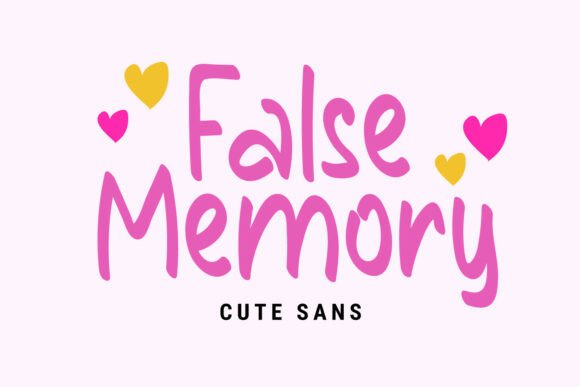
False Memory is a charming and endearing handwritten display font that beautifully captures hearts. Designed with a delightful and playful character, this font adds a magical touch to wedding invitations and other elegant branding efforts. As a web designer or digital product creator, False Memory offers a unique way to elevate your website's visual identity and user experience.
False Memory for Wedding Invitations and Elegant Branding
False Memory is ideal for wedding invitations and elegant branding where a personal, heartfelt touch is essential. Its soft curves and expressive strokes bring a sense of warmth and authenticity to any design. When used in headers or logos, it sets the tone for a brand that values tradition, emotion, and individuality.
For web designers, integrating False Memory into a wedding-related website can create an immersive experience. It works well in hero sections, event pages, and social media graphics, reinforcing the brand’s personality while maintaining readability. Pairing it with a clean sans serif font for body text ensures balance and clarity without overwhelming the viewer.
False Memory for Website Headers and Hero Sections
When used in website headers and hero sections, False Memory adds a distinctive visual flair that draws attention and conveys a sense of creativity. Its handwritten style makes it perfect for landing pages that aim to evoke emotion and establish a connection with the audience.
On mobile screens, False Memory maintains legibility when used in larger sizes, making it suitable for call-to-action buttons or title blocks. However, it’s best avoided for long paragraphs due to its decorative nature. Instead, use it as a focal point to guide users through the layout and highlight key messages.
False Memory for Call-to-Action Areas and Buttons
False Memory can be a powerful tool in call-to-action areas and buttons, especially when the goal is to create a sense of urgency or excitement. Its playful character works well for limited-time offers, special promotions, or creative campaigns that require a humanized touch.
When using it for buttons, ensure there’s enough contrast against the background. On dark backgrounds, a lighter color or white text can make the font stand out, while on light backgrounds, a bold stroke or subtle shadow can enhance visibility. Testing different weights and styles will help find the right balance between aesthetics and functionality.
False Memory for Online Store Banners and Product Pages
For online stores, False Memory can add a personal and artistic element to banners, product titles, and promotional content. It’s particularly effective for boutique shops, handmade goods, or brands targeting a more intimate, curated audience.
When designing product pages, use False Memory sparingly to avoid clutter. Apply it to headings, taglines, or short descriptions that complement the overall design. Pairing it with a neutral sans serif font helps maintain a professional look while still allowing the font to shine in key areas.
False Memory for Blog Headers and Content Sections
Blog headers and content sections benefit from False Memory’s expressive style, especially when the goal is to create a warm, engaging tone. It can be used for post titles, section dividers, or featured content to break up dense text and add visual interest.
On responsive layouts, ensure the font scales appropriately across devices. For smaller screens, consider using a lighter weight or adjusting the spacing to prevent overcrowding. When overlaying text on images, use a semi-transparent background or a contrasting color to maintain readability without compromising the aesthetic.
False Memory for Creative Portfolios and Digital Brand Kits
Creative portfolios and digital brand kits often require a strong visual identity, and False Memory provides a unique way to express that. Whether it’s a designer’s portfolio site, a marketing agency’s brand kit, or a SaaS company’s landing page, this font can add a personal and memorable touch.
When building a brand kit, use False Memory consistently across all assets—logos, business cards, social media posts, and email templates. This creates a cohesive and recognizable identity that resonates with the target audience. Pairing it with a modern sans serif or a classic serif font can further enhance the brand’s visual hierarchy and professionalism.
False Memory for Social Media Graphics and Email Campaigns
Social media graphics and email campaigns often rely on eye-catching visuals, and False Memory can play a key role in that. Its handwritten style is perfect for creating custom illustrations, quote cards, or promotional banners that stand out in a crowded feed.
In email campaigns, use False Memory for subject lines, headlines, or call-to-action buttons to create a more personal and engaging message. Keep the rest of the text clean and readable by pairing it with a simple typeface. This approach ensures the font enhances the design without detracting from the core message.
False Memory for Logo Design and Editorial Layouts
Logos and editorial layouts demand a strong visual statement, and False Memory delivers that with its unique personality. It’s ideal for logos that aim to convey creativity, authenticity, or a personal touch. In editorial layouts, it can be used for article titles, captions, or pull quotes to add depth and character to the content.
When working with logo design, consider how the font interacts with other elements such as icons, colors, and spacing. A well-designed logo using False Memory can become a powerful symbol of a brand’s identity. In editorial layouts, it helps create a narrative flow that guides the reader through the content with style and grace.
False Memory for Webfont Availability and Commercial Licensing
Before incorporating False Memory into a project, check its webfont availability and commercial licensing terms. Ensure that the font is properly licensed for use on websites, client projects, online stores, and digital templates. Some fonts may require separate licenses for different platforms or usage scenarios.
Additionally, verify that the font includes multiple weights, alternate characters, and support for various languages if needed. These features can greatly impact the flexibility and usability of the font in different design contexts. Always test the font in real-world scenarios to ensure it performs as expected across different devices and browsers.