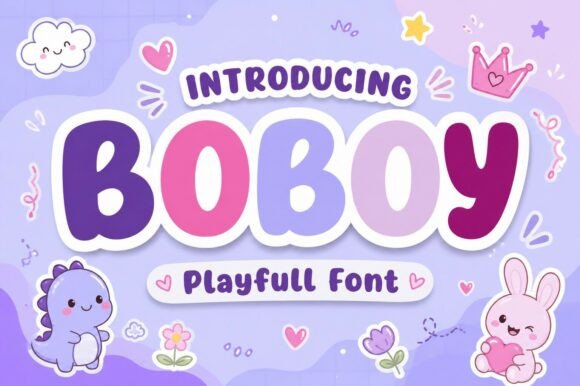
Boboy Font: Warm and Organic
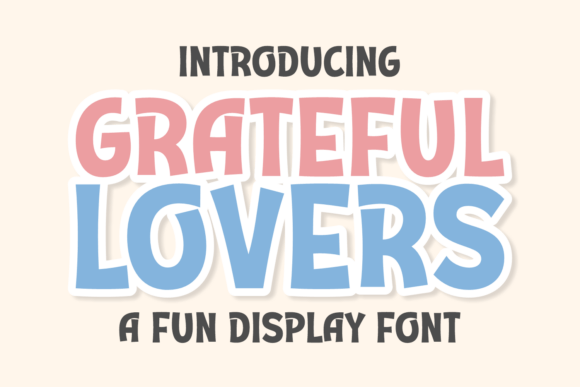
Boboy is a cheerful display typeface that brings a warm and organic feel to any editorial design. With its bubbly and rounded characters, every letter exudes plush curves and a friendly personality. This font is ideal for projects that require a touch of playfulness and approachability.
Boboy for Blog Headers and Magazine Covers
Boboy is an excellent choice for blog headers and magazine covers where visual impact matters. Its rounded shapes and playful style make it stand out while maintaining a sense of warmth. Whether you're designing a lifestyle blog or a digital magazine, Boboy adds a unique flair that captures attention.
Using Boboy for headlines can create a strong visual hierarchy, making your content more engaging. It pairs well with clean body text, allowing the font to shine without overwhelming the reader. For example, a recipe ebook might use Boboy for the title and chapter headings, creating a cohesive and inviting look.
Boboy for Ebook Titles and Newsletter Graphics
When designing ebook titles, Boboy's friendly and approachable style can help set the tone for the entire publication. It works particularly well for educational or lifestyle content, where a welcoming aesthetic is important. Similarly, in newsletter graphics, Boboy can be used for pull quotes, section headers, or callout boxes to draw readers in.
For a printable guide or a lead magnet, Boboy can add a personal touch that makes the content feel more special. It’s also great for social media graphics, where a bold and readable font can enhance brand visibility.
Boboy for Quote Layouts and Content Branding
Boboy is perfect for quote layouts that need a touch of personality and charm. Its soft curves and rounded edges give it a friendly and approachable vibe, making it ideal for motivational quotes, inspirational sayings, or customer testimonials. When paired with a neutral background, Boboy can create a visually appealing contrast that highlights the message.
In content branding, Boboy can help establish a consistent visual identity across multiple platforms. Whether it's a blog, a digital magazine, or a printable worksheet, using Boboy for key elements like headings and logos can reinforce brand recognition. It's especially effective for brands targeting a younger audience or those looking to convey a sense of warmth and creativity.
Boboy for Editorial Design and Visual Hierarchy
Boboy's rounded shapes and playful style make it a strong contender for editorial design. It can be used to create visual interest in layouts, helping to guide the reader's eye through the content. For instance, in a digital magazine, Boboy could be used for section headings, pull quotes, or graphic elements that add visual variety.
When considering visual hierarchy, Boboy is best suited for titles, subtitles, and accent typography rather than long paragraphs of text. Its readability on screen and in print makes it a versatile choice for short-form content, such as headlines, captions, and sidebars.
Boboy for Printables and Digital Products
Boboy is a great fit for printables and digital products that require a touch of personality. Whether it's a printable planner, a worksheet, or a coaching workbook, Boboy can add a unique and engaging element to the design. Its soft curves and friendly appearance make it ideal for projects aimed at a creative or educational audience.
For a digital product like an online course or a downloadable template, Boboy can be used for titles, headers, and promotional graphics. It helps create a cohesive look that aligns with the overall theme of the product. Additionally, its multilingual support ensures that it can be used across different regions and languages.
Boboy for Web Design and Social Media Graphics
Boboy can also be used in web design and social media graphics to create a visually appealing and consistent brand presence. On websites, it can be used for headings, buttons, or call-to-action elements, adding a friendly and modern feel. In social media posts, Boboy can help catch attention and reinforce brand identity.
When used in web design, it's important to consider how the font renders on different devices and screen sizes. Boboy maintains its clarity and appeal across platforms, making it a reliable choice for responsive design. It also works well when paired with a complementary font, such as a serif or sans serif typeface, for body copy and navigation elements.
Boboy for Commercial Use and Licensing
Boboy is available under a commercial license, making it suitable for a wide range of projects, including ebooks, templates, printables, paid newsletters, client publications, and digital downloads. This flexibility allows creators to use the font in professional settings without worrying about licensing restrictions.
Before using Boboy in commercial projects, it's important to review the licensing terms to ensure compliance. Most commercial licenses allow for use in various formats, but it's always good to double-check the specific details provided by the font vendor.
Boboy for Creative Projects and Brand Identity
Boboy is a powerful tool for creative projects that require a distinctive and memorable visual identity. Whether it's for a personal brand, a small business, or a digital product, Boboy can help establish a unique and recognizable style. Its warm and organic feel makes it ideal for brands that want to convey a sense of friendliness and approachability.
By incorporating Boboy into your design work, you can elevate the visual appeal of your content while maintaining a clear and consistent brand identity. It's a font that not only looks good but also enhances the overall reading experience for your audience.